Walk the Norfolk Quays with Confidence

Set out along Norfolk’s historic quaysides with clear, tide-aware planning that keeps every step enjoyable and secure. We focus on preparing safe quayside walks by reading reliable forecasts, choosing practical gear, and identifying hazards before they matter. From Wells-next-the-Sea to Blakeney and Great Yarmouth, discover timing strategies, escape points, and respectful etiquette. Expect actionable checklists, local insight, and friendly encouragement, so you can relax, breathe the sea air, and return home warmed by stories, not worries.

Forecasts That Keep Feet Dry

Tide predictions are your most dependable companion beside Norfolk’s working harbours and creeks. Cross-check official sources, understand local adjustments, and always build a generous safety margin. Tide height, timing, wind direction, and pressure combine to shape water levels along quays from Wells to Great Yarmouth. Learn to interpret springs and neaps, watch for surge alerts, and plan windows that avoid squeeze points. With clarity and calm, you will walk with confidence rather than guesswork.

Routes, Escape Points, and Smart Turnarounds

A beautiful quayside stroll becomes unforgettable when you map bailouts, ladders, bridges, and high ground before setting off. Mark benches, lighting, and sheltered pauses, and notice any sections that flood at high water or during spring surges. OS Explorer maps and offline apps reveal alternative cut-throughs if creeks brim quicker than expected. Design loops with generous turning points, especially for families. Practice spotting lifebuoys and emergency ladders, so safety feels familiar, not frightening or abstract.

Gear That Grips, Guards, and Glows

Footwear and traction that earn trust

Select shoes or boots with soles designed for wet, smooth surfaces, avoiding glossy, worn treads that skate on green slime. Low-profile lugs and siping help, as does keeping soles clean of sand and mud. Consider waterproof socks for puddled edges and choose ankle support if you stray onto uneven cobbles. If conditions seem slick, shorten strides and keep hands free. Traction is not bravado; it is simply a reliable handshake with the ground beneath you.

Navigation, light, and power backup

Select shoes or boots with soles designed for wet, smooth surfaces, avoiding glossy, worn treads that skate on green slime. Low-profile lugs and siping help, as does keeping soles clean of sand and mud. Consider waterproof socks for puddled edges and choose ankle support if you stray onto uneven cobbles. If conditions seem slick, shorten strides and keep hands free. Traction is not bravado; it is simply a reliable handshake with the ground beneath you.

Emergency bits and cozy comforts

Select shoes or boots with soles designed for wet, smooth surfaces, avoiding glossy, worn treads that skate on green slime. Low-profile lugs and siping help, as does keeping soles clean of sand and mud. Consider waterproof socks for puddled edges and choose ankle support if you stray onto uneven cobbles. If conditions seem slick, shorten strides and keep hands free. Traction is not bravado; it is simply a reliable handshake with the ground beneath you.

Know the Hazards Before They Find You
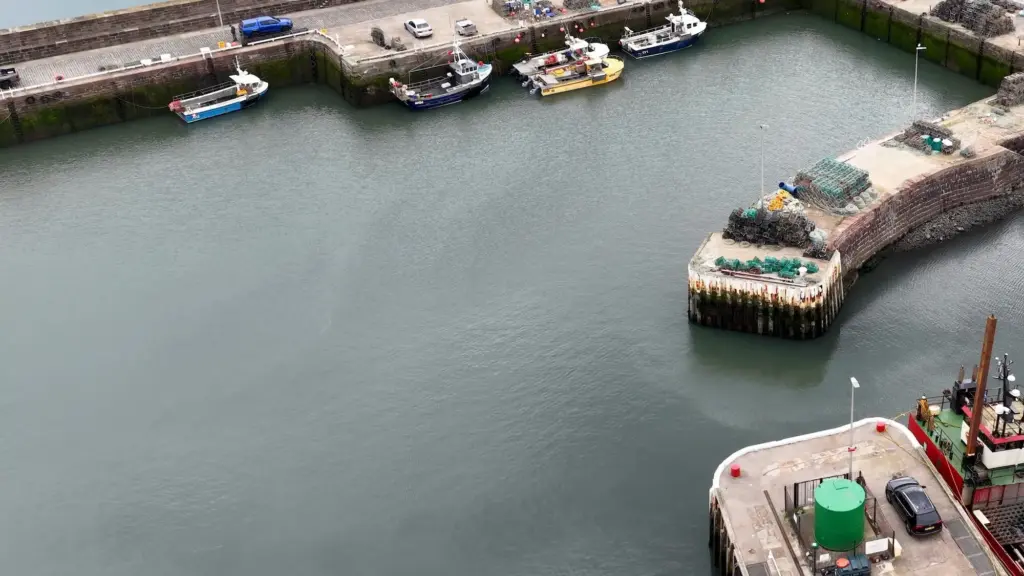
Working waterfronts hold beauty and real risks in the same breath. Algae-slick stones, unguarded edges, boat wash, and shifting mudflats ask for steady feet and patient decisions. In northeasterly blows, spray and short waves can overtop, soaking clothing and confidence. Fog and early winter darkness compress margins even further. Keep dogs leashed near edges, treat ladders with respect, and avoid private pontoons. Awareness is not worry; it is simply the art of staying present and prepared.

Build a tide-aware itinerary

Sketch your route, then annotate it with low and high water, expected rise rates, and designated pause points on higher, firmer ground. Add a fifteen-minute buffer to each segment you are unsure about. If wind or pressure hints at elevated water levels, expand margins again. Remember transport timings for linear routes, and prefer loops when weather wobbles. A thoughtful plan converts forecasts into freedom, granting space for laughter, birdwatching, and the luxury of lingering without stress.

Stops, photos, and little detours

Cameras invite lingering near edges where footing may be slick, so place your stance first and the composition second. Budget extra time for viewpoints with railings or wider pavements, and keep straps tidy around wind or machinery. Small detours to lifeboat slipways or historic markers are rewarding when tides are friendly—less so during fast rises. Celebrate the pause, then recheck the waterline before moving on. Mindful minutes now easily save anxious ones later.

Families, friends, and mixed abilities

Group joy comes from pacing to the slowest walker, placing children away from edges, and sharing a simple pre-brief on signals and meeting points. Choose benches in safer zones for snacks and stories. Agree ahead of time to turn back at the first sign of crowding, spray, or fatigue. Assign a buddy for anyone who enjoys straying toward views. The kindest measure of success is how eagerly everyone suggests returning next weekend.

Local Wisdom, Courtesy, and Community

Respect working waterfronts

Quaysides double as workplaces, where forklifts pivot, lines stretch, and boats breathe against fenders. Pause before passing, make eye contact, and let crews continue without threading yourself between moving parts. Avoid sitting on edges when boats manoeuvre or tying bags to railings used for operations. A friendly wave and a small detour speak volumes. The welcome you feel tomorrow is born from today’s courtesy, and safe walking blooms naturally where respect leads the way.

Wildlife, seasons, and special places

Saltmarsh and sandbanks surrounding the harbours shelter breeding birds and, at times, resting seals. Enjoy them from distance with binoculars, staying off fragile ground and obeying seasonal restrictions. Early evenings can bring breathtaking murmuration-like movements or quiet roosts—magic best witnessed silently. Keep dogs on leads near sensitive areas and pocket any litter you find. Your calm attention not only protects habitats but also deepens the memory, coloring the day with gentleness that lingers long afterward.

Talk to the people who know

Harbour masters, RNLI volunteers, and long-time walkers hold insights that no app can surface: which steps slime first, where wind funnels, and which corners stay lit longest. Glance at noticeboards, ask a courteous question, and share your observations online to help others. If you enjoyed this guide, subscribe for gentle reminders tied to seasonal tides, gear tips that actually serve, and new quayside loops. Community wisdom, traded freely, is the coastline’s quiet superpower.
Sentozunozavovaro
Privacy Overview

This website uses cookies so that we can provide you with the best user experience possible. Cookie information is stored in your browser and performs functions such as recognising you when you return to our website and helping our team to understand which sections of the website you find most interesting and useful.